Dr. Nina Savelle-Rocklin


7 Reasons Behind Self-Sabotage
Self-sabotage is not the end of your binge-free journey but rather a part of it. So instead of feeling bad if you sabotage yourself, learn from the experience and keep going.
Self-sabotage is not the end of your binge-free journey but rather a part of it. So instead of feeling bad if you sabotage yourself, learn from the experience and keep going.

Relapse is defined as a return to previous behaviors after a period of abstinence or improvement. This can mean bingeing again or starting to focus more on food and using it to cope.

Some types of eating disorders include emotional eating, but it’s not an eating disorder on its own. Eating disorders are complex psychological conditions.
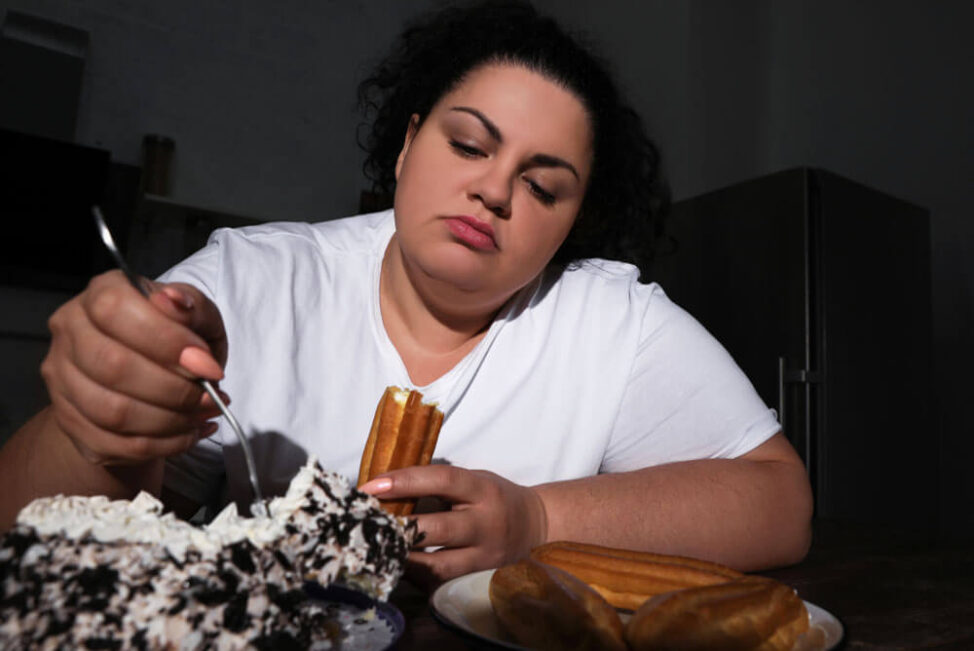
Binge eating is about using food as a way to cope with painful, upsetting, difficult emotions such as the fear of rejection.

Let’s look at emotional eating vs binge eating to understand what these two terms actually stand for and why you should care about the distinction.
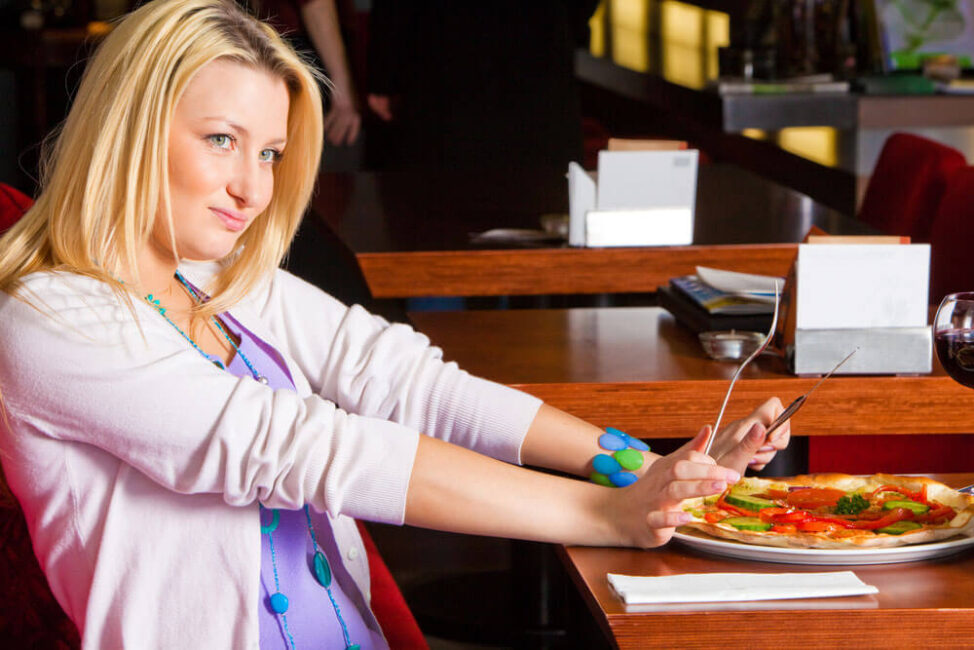
It’s important to recognize that binge eating is about feelings and not food. Focus on liberation instead of recovery.

Let’s look at some common mistaken beliefs when it comes to binge eating at night, as well as the truth about each of these misconceptions.
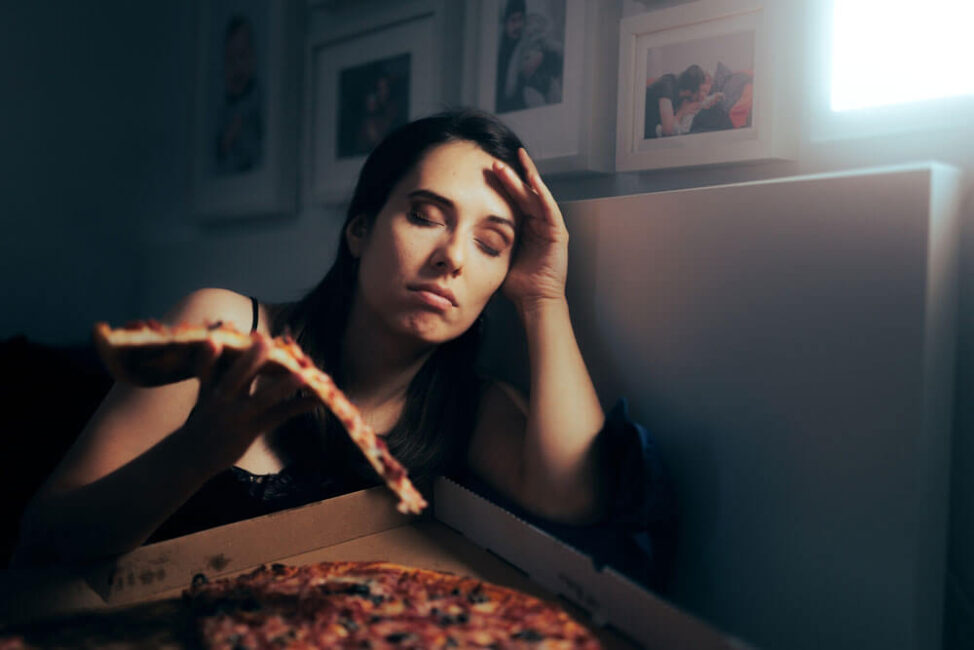
Let’s look at some common mistaken beliefs when it comes to binge eating at night, as well as the truth about each of these misconceptions.

Wondering how to stop eating when bored? If you find yourself wandering into the kitchen even when you’re not physically hungry, you’re not alone. You might think you’re just lacking discipline, but there’s usually something deeper going on. Eating when bored isn’t about food. It’s about what food represents in that moment a distraction, a comfort, or a way to …

When you’re constantly feeling deprived, it’s easy to give in to your cravings and end up bingeing on all the foods you’re trying not to eat.
There are 5 emotional eating patterns.
Which one is yours?
 Free • 3 Minutes • Personalized Results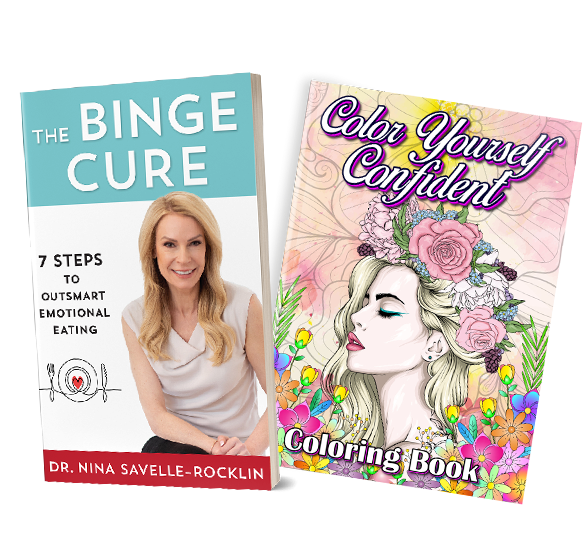
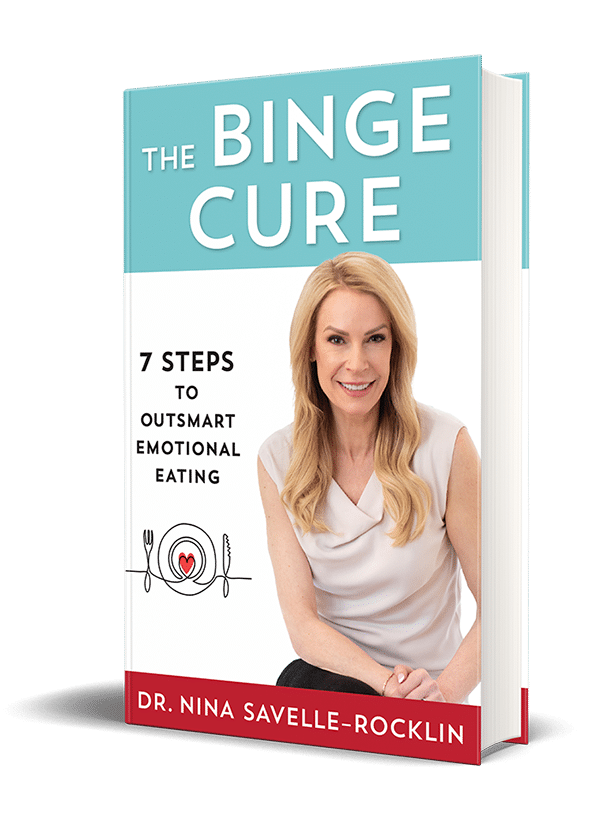
For a limited time only, you can access the FIRST THIRD of my Binge Cure book PLUS my Color Yourself Confident coloring book for only $6.97 (a 40% discount)!
Enter “CURE” to receive a 20% discount.
No, I don’t want access to this terrific resource to help me overcome binge eating.
For a limited time only, you can access the FIRST THIRD of my Binge Cure book PLUS my Color Yourself Confident coloring book for only $6.97 (a 40% discount)!
Join Dr. Nina's newsletter and receive:
• Expert tips on overcoming emotional eating
• Strategies for sustainable weight loss
• Exclusive content not found anywhere else
Don't miss out on the latest breakthroughs in binge eating!
Enter “CURE” to receive a 20% discount.
No, I don’t want access to this terrific resource to help me overcome binge eating.
Join Dr. Nina's newsletter and receive:
• Expert tips on overcoming emotional eating
• Strategies for sustainable weight loss
• Exclusive content not found anywhere else
Don't miss out on the latest breakthroughs in binge eating!
Enter “CURE” to receive a 20% discount.
No, I don’t want access to this terrific resource to help me overcome binge eating.
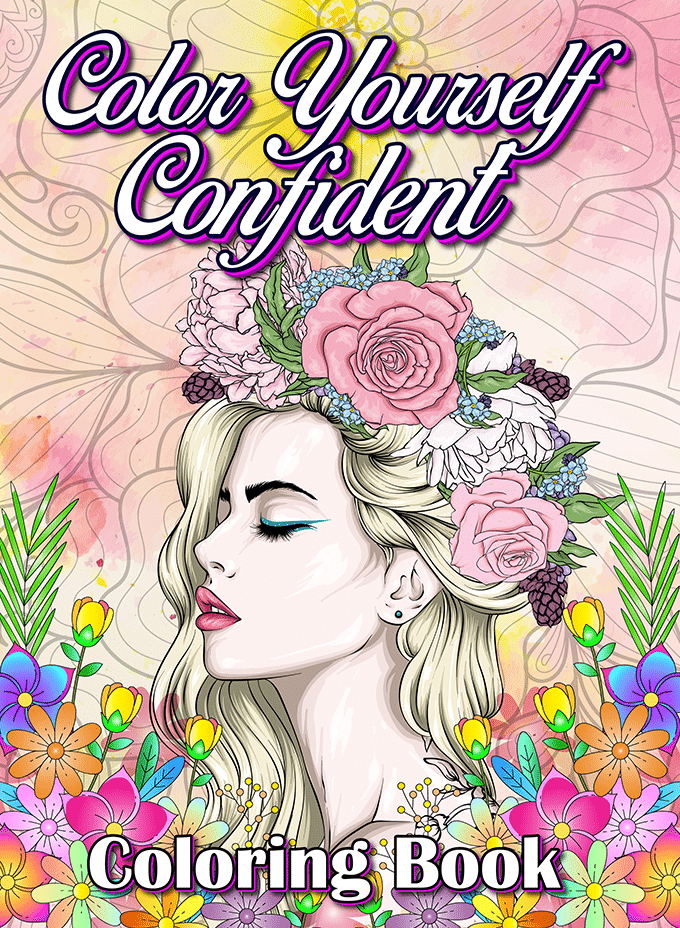
Get our free guide, "Color Yourself Confident," by signing up.