Dr. Nina Savelle-Rocklin

Why Can’t I Stop Eating? The Hidden Truth Behind Binge Eating and Emotional Eating

Table of Contents
- The Real Reason You Can’t Stop Eating
- Why Diets Keep Failing You
- The Psychology Behind “I Can’t Stop Eating”
- The Food-Mood Formula: What Your Cravings Are Really Telling You
- How to Stop the Cycle: It Starts with Understanding, Not Restriction
- You Just Need a Different Approach
- Frequently Asked Questions About Why You Can't Stop Eating
- Ready to Break Free from Binge Eating and Emotional Eating?
You’ve asked yourself this question a hundred times. Maybe a thousand.
Why can’t I stop eating?
You know you’re full. You know you’ll regret it later. But your hand keeps reaching for more. Another handful of chips, another spoonful of ice cream, another slice of pizza. And when it’s over, you’re left with shame, confusion, and the same desperate question: Why can’t I just stop?
Here’s what most people won’t tell you: It’s not about the food.
And it’s definitely not about willpower.
The Real Reason You Can’t Stop Eating
If you’ve been blaming yourself for lacking self-control, you can stop right now. The truth is, when you can’t stop eating, your body and mind are trying to tell you something important, and it has nothing to do with hunger.
It’s not what you’re eating. It’s what’s eating at you.
In two decades years of helping people overcome binge eating and emotional eating as a psychoanalyst, I’ve seen this pattern thousands of times: the urge to keep eating isn’t about food at all. It’s about unmet emotional needs, unresolved feelings, and psychological triggers you may not even be aware of.
Let me explain.
Why Diets Keep Failing You
You’ve probably tried every diet out there. Keto. Paleo. Intermittent fasting. Counting macros. Meal prep. And maybe they worked, for a week, a month, even a few months. But eventually, you found yourself right back where you started, asking the same question: Why can’t I stop eating?
Here’s why diets fail: they focus on what you’re eating, not why you’re eating.
Diets give you food rules. They tell you what to avoid, when to eat, how much to eat. But they completely ignore the emotional reasons behind your eating. And that’s the missing piece.
When you’re eating to soothe anxiety, numb sadness, avoid conflict, or fill an emotional void, no amount of meal planning will fix it. You need WHY-power, not willpower.
The Psychology Behind “I Can’t Stop Eating”
Let’s talk about what’s really happening when you can’t stop eating. There are several psychological patterns at play:
1. Emotional Eating: Food as Comfort
When you’re stressed, lonely, anxious, or overwhelmed, food becomes a way to self-soothe. It’s about seeking comfort, distraction, or relief from uncomfortable emotions.
The pattern: You had a terrible day at work. You come home exhausted and emotionally drained. Before you know it, you’re standing in front of the pantry, eating straight from the bag.
2. Binge Eating: The Restrict-Binge Cycle
Many people who struggle with binge eating are stuck in a vicious cycle: restrict during the day, binge at night. You try to “be good” all day, eating minimal calories or avoiding certain foods. But by evening, your body and brain rebel, and you find yourself eating everything in sight.
The pattern: You skip breakfast, have a salad for lunch, and tell yourself you’ll “start fresh tomorrow.” But by 9 PM, you’ve eaten an entire pizza, a pint of ice cream, and whatever else you could find.
3. Using Food to Avoid Feelings
Sometimes eating isn’t about seeking comfort it’s about avoiding feelings altogether. Anger, grief, disappointment, fear can feel too big, too overwhelming. So you eat to push them down, numb them out, or distract yourself.
The pattern: You’re upset about something, but instead of addressing it, you find yourself mindlessly eating in front of the TV, disconnected from both your feelings and your body.
4. Food as a Substitute for What’s Missing
When something is missing in your life, such as connection, purpose, joy, or fulfillment, food can become a stand-in. It fills the void temporarily, but it never truly satisfies because it’s not what you really need.
The pattern: You feel lonely or unfulfilled, so you eat. But no matter how much you consume, you still feel empty inside.
The Food-Mood Formula: What Your Cravings Are Really Telling You
Here’s something fascinating: specific food cravings often connect to specific emotions.
This is my signature Food-Mood Formula and it’s one of the most powerful tools for understanding why you can’t stop eating.
- Crunchy, salty foods (chips, pretzels, crackers): Often linked to anger, frustration, or the need to “crunch” through tension.
- Creamy, smooth foods (ice cream, mac and cheese, mashed potatoes): Often connected to a need for comfort, soothing, or nurturing.
- Sweet foods (cookies, candy, chocolate): Frequently tied to a desire for reward, pleasure, or “sweetness” missing from life.
- Carbs and bread: Can signal a need for grounding, stability, or filling an emotional emptiness.
When you start paying attention to what you’re craving, you can begin to decode what you’re really feeling, and that’s where true healing begins.
How to Stop the Cycle: It Starts with Understanding, Not Restriction
If you’re tired of asking yourself why can’t I stop eating, here’s the good news: you can break free. But it won’t happen through another diet or more willpower. It happens when you address the root cause.
Here’s how to start:
1. Get Curious, Not Critical
The next time you find yourself unable to stop eating, pause and ask yourself: What am I really feeling right now? Not in a judgmental way, but with genuine curiosity.
Are you stressed? Lonely? Bored? Anxious? Angry? Sad?
2. Identify Your Emotional Triggers
Start noticing patterns. When do you overeat? What happened right before? What emotions were you experiencing? Keep a simple journal to track the connection between your feelings and your eating.
3. Give Yourself What You Really Need
Once you identify the emotion, ask: What do I actually need right now?
- If you’re stressed, maybe you need to take a walk, call a friend, or set a boundary.
- If you’re lonely, maybe you need connection, not cookies.
- If you’re angry, maybe you need to express it, not eat it.
4. Stop the Restrict-Binge Cycle
If you’re stuck in the pattern of restricting during the day and binging at night, it’s time to give yourself permission to eat regularly throughout the day. Your body needs consistent fuel, and your mind needs to know that food isn’t scarce.
5. Seek Support
You don’t have to do this alone. Working with a therapist, coach, or support group that specializes in emotional eating and binge eating can help you uncover the deeper psychological patterns keeping you stuck.
You Just Need a Different Approach
If you’ve been asking yourself why can’t I stop eating, I want you to know this: You’re not broken. You’re not weak. You don’t lack willpower.
You’re simply using food to cope with emotions and unmet needs, and that’s something you can change once you understand what’s really going on.
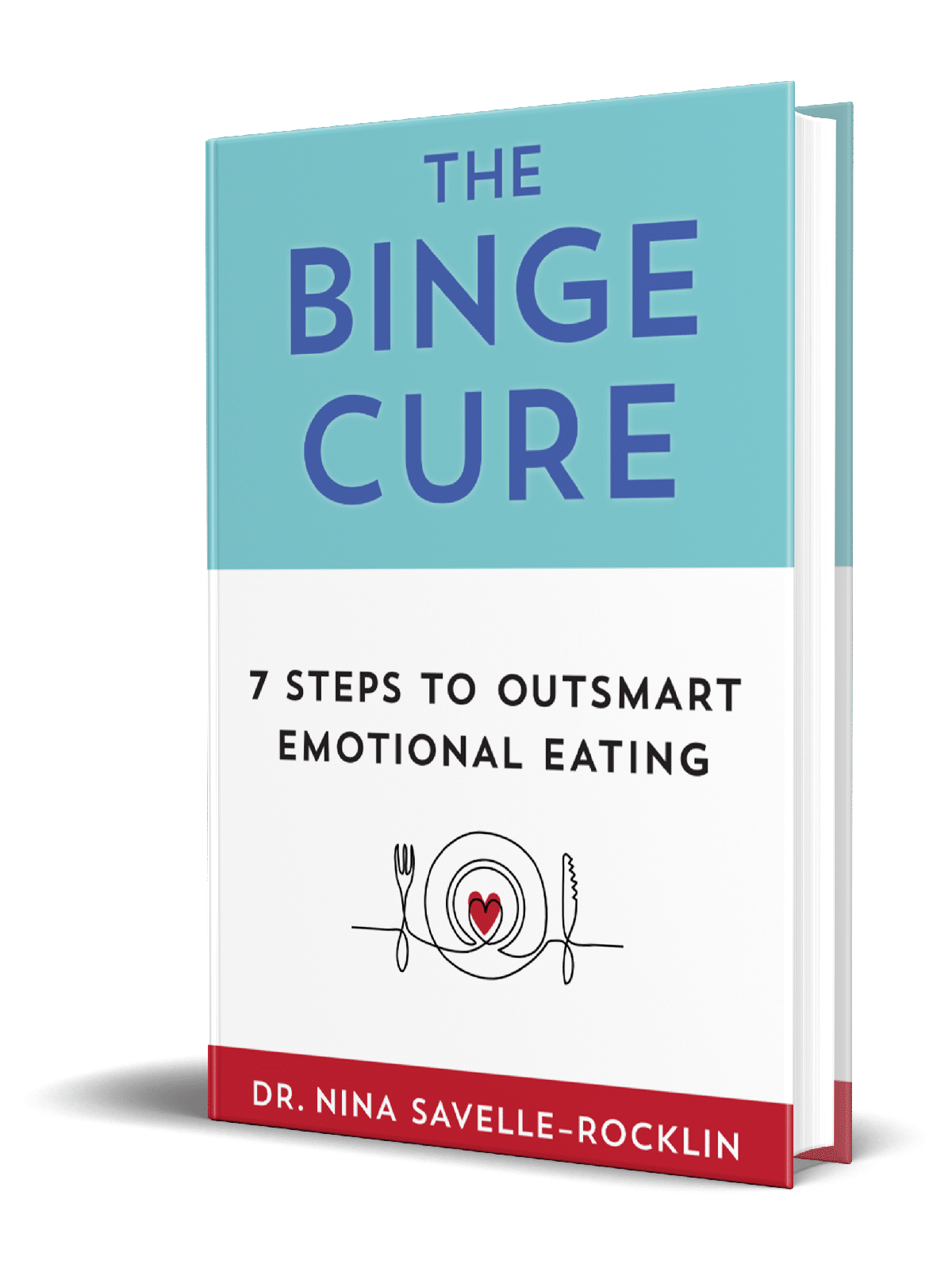
The Binge Cure Method is built on this foundation: healing from within, identifying your hidden emotional triggers, and creating lasting food freedom without dieting, restriction, or shame.
Because the truth is, you don’t need another meal plan. You need to understand what’s eating at you.
Frequently Asked Questions About Why You Can't Stop Eating
When you can't stop eating despite feeling full, it's because you're not eating for physical hunger. You're eating for emotional reasons. Your body is trying to soothe, distract, or numb uncomfortable feelings like stress, anxiety, loneliness, or sadness. The fullness signal gets overridden by the emotional need that food is temporarily filling.
Is binge eating the same as overeating?
No. Overeating happens occasionally, like at Thanksgiving or a celebration. Binge eating is a recurring pattern where you eat large amounts of food in a short period, often feel out of control, and experience shame or guilt afterward. Binge eating is driven by psychological and emotional factors, not just enjoying food.
Why do I eat more at night?
Night eating often happens because you've restricted food during the day (either intentionally or because you were too busy to eat properly). By evening, your body is depleted and your willpower is exhausted. Additionally, nighttime is when you finally slow down and all the emotions you've been avoiding all day catch up with you. Food becomes the way you cope.
Can I stop emotional eating on my own?
Some people can make progress on their own by increasing self-awareness and practicing new coping skills. However, many people benefit from professional support because emotional eating often has deep psychological roots that are hard to identify and address without guidance. A therapist or coach who specializes in emotional eating can help you uncover patterns you might not see on your own.
How long does it take to stop binge eating?
There's no one-size-fits-all timeline. Some people notice significant changes within a few weeks of addressing the emotional roots of their eating. For others, especially those with longstanding patterns, it may take several months. The key is that healing happens when you focus on understanding why you eat, not just controlling what you eat.
What's the difference between emotional eating and binge eating disorder?
Emotional eating is using food to cope with feelings. It can range from occasional stress eating to more frequent patterns. Binge eating disorder (BED) is a clinical diagnosis characterized by recurrent episodes of eating large amounts of food, feeling out of control, and experiencing significant distress. BED often requires professional treatment.
Will I ever be able to eat normally again?
Yes. Thousands of people have healed their relationship with food and now eat without obsession, guilt, or loss of control. It requires addressing the psychological reasons behind your eating patterns, not just following another diet. When you understand what's eating at you, you can finally stop using food to cope and start eating normally again.
Why do I crave specific foods when I'm emotional?
Different foods satisfy different emotional needs. Crunchy foods help release tension and anger. Creamy foods provide comfort and soothing. Sweet foods offer reward and pleasure. Your brain has learned to associate certain textures and tastes with emotional relief, which is why you crave specific foods when you're feeling specific emotions.
Ready to Break Free from Binge Eating and Emotional Eating?
If you’re tired of the cycle and ready to finally understand why you can’t stop eating, I can help.
Take the Emotional Eating Quiz and discover what your cravings are really telling you, so you can start addressing the root cause, not just the symptoms. Go here: quiz.drninainc.com
Or, if you’re ready for personalized support, book a Food Freedom Strategy Session and let’s create a plan to help you stop obsessing over food and start living with confidence and peace.
You deserve food freedom. And it starts with understanding that it’s not about the food, it’s about what’s eating at you.
Sick of obsessing about every bite?
GET THE CURE
The Binge Cure Book!
Enter “CURE” to receive a 20% discount.
No, I don’t want access to this terrific resource to help me overcome binge eating.
The Author

Dr. Nina Savelle-Rocklin is a renowned author and podcast host and one of the nation’s leading psychoanalysts known for the psychology of eating. Her signature message of, “It’s not what you’re eating, it’s what’s eating ‘at’ you” has resonated with hundreds of thousands of listeners from around the globe in 40 countries. As founder of The Binge Cure Method, she guides emotional eaters to create lasting food freedom so they can take back control of their lives and feel good in their bodies.
Related Blogs








 Free • 3 Minutes • Personalized Results