Dr. Nina Savelle-Rocklin

What Is Emotional Eating? (And How to Stop for Good)

Table of Contents
- What Is Emotional Eating?
- The Truth About Emotional Eating: It’s Not What You’re Eating, It’s What’s Eating at You
- Common Triggers for Emotional Eating
- The Emotional Eating Cycle: Why It Keeps Happening
- How to Tell If You’re an Emotional Eater
- Why Emotional Eating Feels So Automatic
- How to Stop Emotional Eating: 6 Steps That Actually Work
- You Need WHY-Power, Not Willpower
- Frequently Asked Questions About Emotional Eating:
- Ready to Break Free from Emotional Eating?
You’ve had a terrible day. Your boss criticized your work. Traffic was a nightmare. You got into an argument with someone you love. And now you’re standing in front of the refrigerator, eating ice cream straight from the container, even though you’re not hungry.
Sound familiar?
If you’ve ever reached for food when you’re stressed, sad, lonely, or overwhelmed, you’ve experienced emotional eating. It’s one of the most common ways people cope with difficult feelings. But here’s the problem: it doesn’t actually solve anything. In fact, it often makes you feel worse.
The good news? Once you understand what emotional eating really is and why it happens, you can break the cycle and find healthier ways to cope.
What Is Emotional Eating?
Emotional eating is using food to manage feelings instead of satisfying physical hunger.
When you eat emotionally, you’re not responding to your body’s need for fuel. You’re trying to soothe, distract, numb, or avoid uncomfortable emotions. Food becomes a coping mechanism, a way to feel better in the moment, even if it’s temporary.
Here’s the key distinction:
- Physical hunger comes on gradually, can be satisfied with any food, and stops when you’re full.
- Emotional hunger comes on suddenly, craves specific comfort foods, and doesn’t stop even when you’re physically full.
When you’re eating emotionally, no amount of food will truly satisfy you because food isn’t what you really need.
The Truth About Emotional Eating: It’s Not What You’re Eating, It’s What’s Eating at You
After two decades years as a psychoanalyst specializing in emotional eating and binge eating, I can tell you this with absolute certainty: emotional eating is not about the food.
It’s about what’s happening inside you. The stress you’re carrying. The sadness you’re avoiding. The anger you’re swallowing. The loneliness you’re trying to fill.
Food becomes the Band-Aid for emotional wounds that need real healing.
And here’s what most people don’t realize: emotional eating is not a character flaw. It’s a coping strategy. At some point, you learned that food could make you feel better, at least temporarily. Your mind remembers that, and now you automatically reach for food when emotions get overwhelming.
But just because it’s a learned behavior doesn’t mean you’re stuck with it forever.
Common Triggers for Emotional Eating
Understanding your triggers is the first step to breaking free from emotional eating. Here are the most common emotional triggers I see in my practice:
Stress
When you’re overwhelmed, anxious, or under pressure, your body produces cortisol, the stress hormone. Cortisol increases cravings for high-fat, high-sugar comfort foods. Eating becomes a way to temporarily calm your nervous system and escape the pressure you’re feeling.
Learn more about the hidden impact of stress on eating habits.
Loneliness
Food can feel like a companion when you’re feeling isolated or disconnected. It fills the void temporarily, providing comfort and distraction from the emptiness of being alone.
Boredom
When you’re under stimulated or lacking purpose, food becomes entertainment. Eating gives you something to do, something to focus on, something that feels pleasurable in an otherwise dull moment.
Know these 5 ways to stop binge eating when bored.
Sadness and Grief
When you’re heartbroken, disappointed, or grieving, food can feel like a warm hug. Comfort foods often remind us of happier times or provide the soothing we desperately need.
Anger and Frustration
Sometimes you eat to “stuff down” anger you don’t feel safe expressing. Other times, crunchy or chewy foods help release tension and frustration you’re holding in your body.
Anxiety
When your mind is racing with worry and fear, eating can ground you in the present moment. It’s a distraction from anxious thoughts and provides a temporary sense of control.
Childhood Patterns
Many people learned emotional eating in childhood. Maybe food was used as a reward, a way to show love, or a distraction from family conflict. These patterns often continue into adulthood without conscious awareness.
The Emotional Eating Cycle: Why It Keeps Happening
Emotional eating creates a vicious cycle that’s hard to break:
- Trigger: Something stressful, upsetting, or overwhelming happens.
- Uncomfortable emotion: You feel anxious, sad, angry, lonely, or stressed.
- Reach for food: Instead of addressing the emotion, you eat to feel better.
- Temporary relief: Food provides a brief distraction or comfort.
- Guilt and shame: After eating, you feel worse. You’re disappointed in yourself, guilty, or ashamed.
- More uncomfortable emotions: Now you’re dealing with the original emotion PLUS guilt and shame.
- Reach for food again: To cope with these new uncomfortable feelings, you eat again.
And the cycle continues.
The only way to break this cycle is to interrupt it at step 3: instead of reaching for food, you address the emotion directly.
How to Tell If You’re an Emotional Eater
Not sure if you’re an emotional eater? Ask yourself these questions:
- Do you eat when you’re stressed, even if you’re not hungry?
- Do you reach for food when you’re bored, lonely, or upset?
- Do you crave specific comfort foods when you’re emotional?
- Do you eat to distract yourself from uncomfortable feelings?
- Do you feel guilty or ashamed after eating?
- Do you eat more when you’re overwhelmed or anxious?
- Does food feel like your best friend or your biggest enemy?
If you answered yes to several of these questions, you’re likely using food to cope with emotions rather than hunger.
Why Emotional Eating Feels So Automatic
One of the most frustrating things about emotional eating is how automatic it feels. One minute you’re upset, and the next minute you’re eating without even realizing you made the decision.
This happens because emotional eating becomes a deeply ingrained neural pathway in your brain. Think of it like a well-worn path through the woods. The more you walk that path, the easier it becomes to follow. Your brain learns: uncomfortable emotion equals eat food equals temporary relief.
Over time, this response becomes so automatic that you bypass conscious thought entirely. You don’t decide to eat. You just find yourself eating.
The good news? Neural pathways can be rewired. Every time you choose a different response to an uncomfortable emotion, you’re creating a new pathway. At first, it feels awkward and difficult. But with repetition, the new pathway becomes stronger, and the old one begins to fade.
Breaking the automatic response takes awareness, practice, and patience. But it absolutely can be done.
How to Stop Emotional Eating: 6 Steps That Actually Work
Breaking free from emotional eating isn’t about willpower, distraction techniques, or keeping yourself busy. It’s about understanding the deeper emotional needs driving your eating and addressing them at the root. Here’s how to start:
1. Pause and Identify the Real Emotion
Before you eat, pause for 30 seconds and ask yourself: Am I physically hungry, or am I feeling something?
If you’re not hungry, go deeper. Don’t just say “I’m stressed.” Ask: What am I really feeling underneath the stress? Powerless? Overwhelmed? Unseen? Unappreciated? The more specific you can be, the more you can address the real need.
2. Acknowledge and Validate Your Emotions
Once you’ve identified what you’re feeling, acknowledge it without judgment. Say it out loud or write it down: “I’m feeling overwhelmed right now,” or “I’m lonely and that’s really hard.”
Validation is powerful. You’re not being dramatic. You’re not overreacting. Your feelings are real, and they matter.
Most people skip this step and go straight to trying to fix or suppress the emotion. But emotions need to be seen and heard first. When you validate your feelings, you give yourself the compassion you’ve been seeking from food.
3. Reassure Yourself with Grounded Truth
This isn’t about toxic positivity or pretending everything is fine. It’s about reminding yourself of your resilience.
Say to yourself: “This is hard, and I can handle hard things. I’ve been through difficult times before, and I got through them. I will get through this, too.”
You’re not dismissing the pain. You’re acknowledging it AND reminding yourself of your strength. That combination creates emotional safety, which is what you’re really craving when you reach for food.
4. Ask Yourself: What Do I Really Need Right Now?
This is the most important question. If you’re reaching for food but you’re not hungry, something else is calling for your attention.
Do you need rest? Connection? Boundaries? To say no? To express anger? To grieve? To feel seen?
Food can’t give you any of those things. But once you identify the real need, you can take action to meet it.
5. Address the Root Cause, Not Just the Symptom
If you’re constantly stressed, lonely, unfulfilled, or resentful, food will keep calling your name no matter how many “coping strategies” you try.
Ask yourself: What needs to change in my life? Do you need better boundaries? A different job? More meaningful relationships? Time for yourself? Purpose?
Emotional eating is often a symptom of a life that doesn’t fit anymore. Real change happens when you address what’s not working.
6. Get Professional Support
Working with a therapist or coach who specializes in emotional eating can help you uncover the hidden patterns, heal the deeper wounds, and create lasting change. This isn’t something you have to figure out alone.
You Need WHY-Power, Not Willpower
If you’ve been trying to stop emotional eating through sheer willpower, it’s time for a different approach.
Willpower is about forcing yourself not to eat. WHY-power is about understanding why you eat in the first place.
When you understand the emotional triggers behind your eating, you can address the root cause instead of just fighting the symptom. That’s where real, lasting change happens.
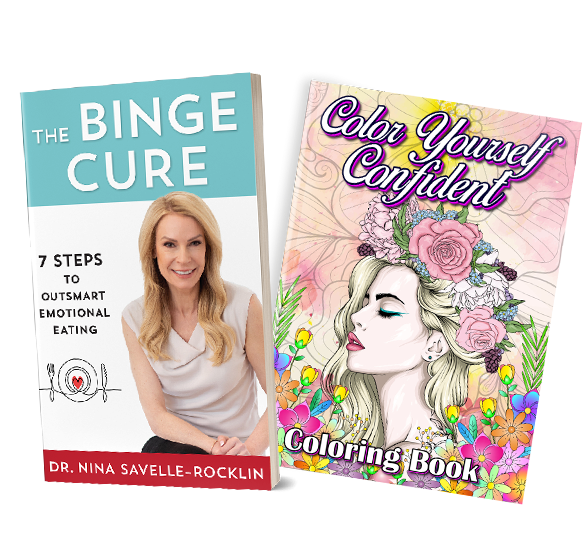
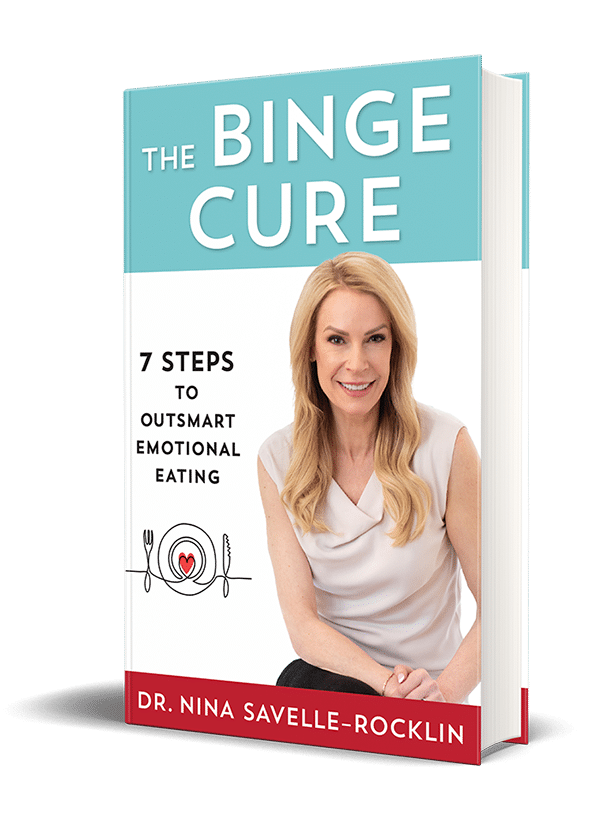
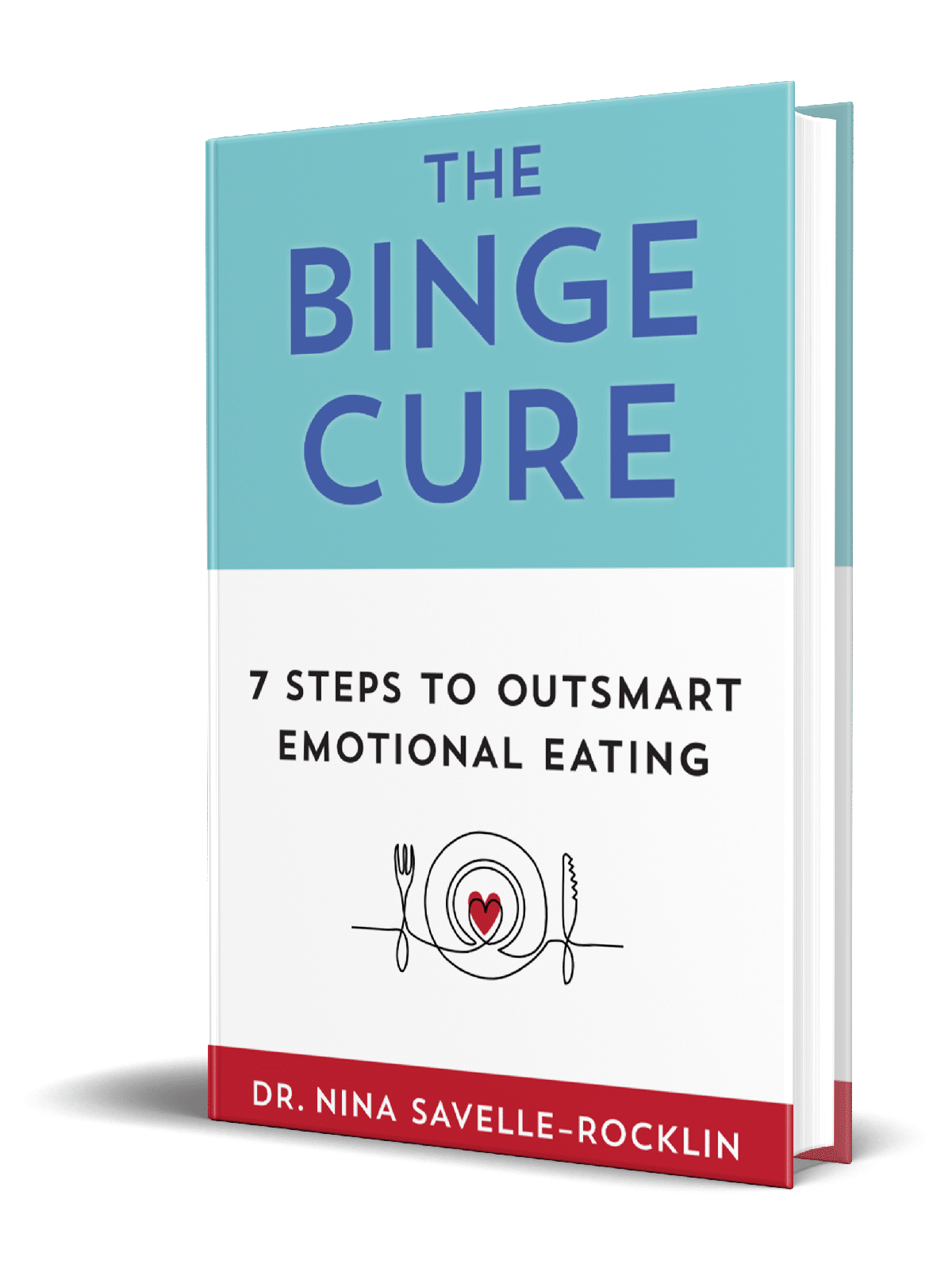
I developed The Binge Cure Method on this foundation: identifying your hidden emotional triggers, healing from within, and creating lasting food freedom without dieting, deprivation, or shame.
Frequently Asked Questions About Emotional Eating:
What is emotional eating?
Emotional eating is using food to cope with feelings instead of satisfying physical hunger. It’s eating in response to stress, sadness, loneliness, boredom, or other emotions rather than actual hunger cues. Emotional eating provides temporary comfort but doesn’t address the underlying emotional need.
Is emotional eating the same as binge eating?
Not exactly. Emotional eating is eating in response to emotions, which can range from mindless snacking to larger episodes. Binge eating disorder involves recurrent episodes of eating large amounts of food with a sense of loss of control and significant distress. All binge eating involves emotions, but not all emotional eating is binge eating.
Why do I emotionally eat at night?
Night eating is common because that’s when you finally slow down and all the emotions you’ve been avoiding all day catch up with you. Additionally, if you’ve restricted food during the day, your body is depleted by evening and cravings intensify. Nighttime also lacks structure and distraction, making it easier to turn to food for comfort.
Learn 5 crucial steps to stop binge eating at night.
How do I stop stress eating?
To stop stress eating, you need to address the stress itself and find alternative coping strategies. Practice stress management techniques like deep breathing, exercise, journaling, or talking to someone. Identify what’s causing your stress and take action to reduce it. Most importantly, allow yourself to feel stressed without immediately reaching for food.
Can therapy help with emotional eating?
Yes. Therapy, especially with a specialist in emotional eating, can be incredibly effective. A therapist can help you identify emotional triggers, understand the root causes of your eating patterns, develop healthier coping strategies, and heal the underlying emotional wounds that drive emotional eating.
What foods do emotional eaters crave?
Emotional eaters typically crave comfort foods that are high in sugar, fat, or carbohydrates. Common cravings include ice cream, chocolate, chips, cookies, pizza, mac and cheese, and bread. These foods trigger the brain’s reward system and provide temporary emotional relief, which is why they’re so appealing when you’re feeling emotional.
Is emotional eating an eating disorder?
Emotional eating itself is not classified as an eating disorder, but it exists on a spectrum. Occasional emotional eating is normal. However, when emotional eating becomes frequent, causes significant distress, or leads to binge eating episodes, it may develop into binge eating disorder or contribute to other disordered eating patterns.
How long does it take to stop emotional eating?
The timeline varies for everyone. Some people notice significant changes within a few weeks of increasing awareness and practicing new coping skills. For others with deeper emotional patterns, it may take several months of consistent work. The key is addressing the root emotional causes, not just trying to control the eating behavior.
Sick of obsessing about every bite?
GET THE CURE
The Binge Cure Book!
Enter “CURE” to receive a 20% discount.
No, I don’t want access to this terrific resource to help me overcome binge eating.
The Author

Dr. Nina Savelle-Rocklin is a renowned author and podcast host and one of the nation’s leading psychoanalysts known for the psychology of eating. Her signature message of, “It’s not what you’re eating, it’s what’s eating ‘at’ you” has resonated with hundreds of thousands of listeners from around the globe in 40 countries. As founder of The Binge Cure Method, she guides emotional eaters to create lasting food freedom so they can take back control of their lives and feel good in their bodies.
Related Blogs










Ready to Break Free from Emotional Eating?
If you’re tired of using food to cope with your feelings and ready to create lasting change, I can help.
Download my free Emotional Eating Emergency Kit with 5 powerful questions to interrupt cravings in under 2 minutes and start breaking the emotional eating cycle today. quiz.drninainc.com
Or, if you’re ready for personalized support, book a Food Freedom Strategy Session and let’s uncover the hidden emotional triggers keeping you stuck so you can finally stop obsessing over food and start living with confidence and peace.
You deserve to feel good in your body and free from food obsession. And it starts with understanding that it’s not about the food. It’s about what’s eating at you. Click here to book a call
 Free • 3 Minutes • Personalized Results