Dr. Nina Savelle-Rocklin

4 Signs of Emotional Eating and How to Deal with them

Table of Contents
- What Emotional Eating Really Is
- Sign #1: You Eat in Response to Feelings, Not Hunger
- Sign #2: You Feel Out of Control Around Certain Foods
- Sign #3: You Eat Alone or in Secret
- Sign #4: You Feel Guilty or Ashamed After Eating
- How to Deal With the Signs of Emotional Eating
- You Need WHY-Power, Not Willpower
- Frequently Asked Questions About Signs of Emotional Eating
- Ready to Understand Your Emotional Eating?
You tell yourself you're not going back into the kitchen after dinner. You won't eat anything past 7 PM and that's final.
Then suddenly you're standing in front of an open fridge, sneaking cold pizza or cake. If this is familiar, you might think you have a problem with control.
But emotional eating is never about willpower or discipline. It's a way of coping with something deeper, something you may not even realize you're trying to manage.
When you can recognize the signs of emotional eating, you can finally understand what's driving those urges, and you can start addressing the real source of the struggle.
What Emotional Eating Really Is
Emotional eating happens when you use food to escape, soothe, numb, distract, or comfort yourself. It's what we turn to when feelings feel like too much or when life feels overwhelming, lonely, or stressful.
It has nothing to do with lack of control and everything to do with trying to deal with emotions that feel unmanageable in the moment. Food becomes the quickest way to feel better, even if only for a moment.
Understanding that is the first step toward change.
Sign #1: You Eat in Response to Feelings, Not Hunger
One of the clearest signs of emotional eating is reaching for food when you're upset, stressed, bored, lonely, resentful, anxious, overwhelmed, or sad.
Maybe you find yourself eating at night because that's the only time you're finally alone with your thoughts. Maybe you eat when you're lonely. Or maybe you eat when you're overwhelmed and craving some sort of relief.
This isn't about appetite. It's about emotions that don't feel safe, expressible, or manageable.
Food becomes the stand-in for comfort, companionship, distraction, or energy.
Sign #2: You Feel Out of Control Around Certain Foods
Another common sign of emotional eating is feeling like you “can't stop” once you start. This doesn't mean you have a food problem. It means you're using food to cope with something internal.
This pattern is especially common when:
You're exhausted
You've been depriving yourself
You're overwhelmed
You're trying to calm anxiety or numb frustration
When food becomes the only place you allow yourself to check out, the eating can feel compulsive. But the real issue isn't the food. It's the feelings you're trying to escape.
Sign #3: You Eat Alone or in Secret
This is one of the most painful signs of emotional eating.
Eating in secret often happens when you feel ashamed of how much you're eating or what you're eating. But secrecy isn't about food. It's about shame, loneliness, or unmet needs.
Some people eat alone because it's the only moment in the day that belongs entirely to them. Others fear judgment, criticism, or comments, so they hide their eating to avoid feeling exposed or misunderstood.
Eating in secret is a sign of emotional eating and a sign that something inside you needs care, attention, and compassion.
Sign #4: You Feel Guilty or Ashamed After Eating
Food is supposed to be one of life's pleasures but emotional eating can turn it into something that feels like both comfort and punishment.
If you frequently feel:
“I shouldn't have eaten that.”
“Why can't I control myself?”
“What's wrong with me?”
That's not about food. That's about the harsh inner critic that attacks you the moment you're vulnerable. Many people eat not just to soothe their emotions, but to escape the criticism they direct at themselves.
Shame after eating is one of the strongest signs of emotional eating and one of the biggest clues that something deeper is happening inside.
How to Deal With the Signs of Emotional Eating
Recognizing the signs is powerful, but knowing what to do next is where change begins.
1. Bring Curiosity to Your Feelings
Emotional eating happens when emotions feel too overwhelming or confusing to face.
Instead of judging yourself, try pausing and asking:
What am I feeling right now?
What just happened before the urge to eat?
What do I need?
This simple shift, from judgment to curiosity, creates space for you to respond rather than react.
2. Identify What's Eating at You
You're not triggered by food. You're triggered by something emotional.
Maybe it's:
Feeling unappreciated
Feeling lonely
Feeling anxious
Feeling resentful
Feeling overwhelmed
Feeling unheard
The signs of emotional eating always point to the real emotional hunger underneath.
Food is the solution you're reaching for, not the problem. The real work is understanding why you need soothing in the first place.
3. Acknowledge and Validate Your Emotions
Once you've identified what you're feeling, acknowledge it without judgment. Say it out loud or write it down: “I'm feeling overwhelmed right now,” or “I'm lonely and that's really hard.”
Your feelings are real, and they matter. Most people skip this step and go straight to eating. But emotions need to be seen and heard first.
When you validate your feelings, you give yourself the compassion you've been seeking from food.
4. Reassure Yourself with Grounded Truth
Remind yourself of your resilience. Say: “This is hard, and I can handle hard things. I've gotten through difficult moments before, and I will get through this one, too.”
This isn't toxic positivity. It's acknowledging the discomfort AND reminding yourself of your strength. That combination creates emotional safety, which is what you're really craving.
5. Quiet the Inner Critic
For many people, emotional eating is a way to escape their own harsh inner voice.
If your inner critic says:
“What's wrong with you?”
“You have no control.”
“You're disgusting.”
No wonder you turn to food. Self-attacks create overwhelming distress, and food becomes the quickest way to silence that voice.
Try speaking to yourself the way you'd speak to someone you care about. A kinder tone calms the nervous system and reduces the urge to use food for comfort.
Warmth is a form of regulation.
6. Reach Out for Support
You don't have to figure this out alone.
A therapist or coach who specializes in emotional eating can help you understand the deeper roots of your patterns, which often come from childhood experiences, relationship dynamics, unmet needs, unconscious conflicts, or chronic stress.
Emotional eating is often about loneliness, resentment, fear of conflict, perfectionism, or buried feelings you never learned how to express safely.
Support helps you feel less alone, and feeling understood reduces the need to use food for comfort.
You Need WHY-Power, Not Willpower
If you've been trying to stop emotional eating through sheer willpower, it's time for a different approach.
Willpower is about forcing yourself not to eat. WHY-power is about understanding why you eat in the first place.
When you understand the emotional triggers behind your eating, you can address the root cause instead of just fighting the symptom. That's where lasting change happens.
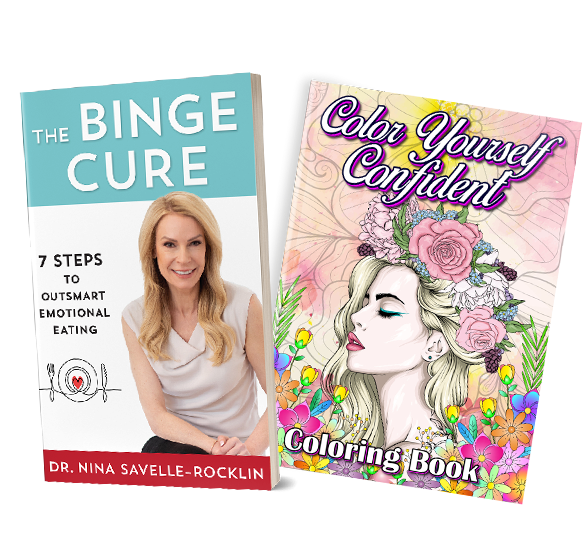
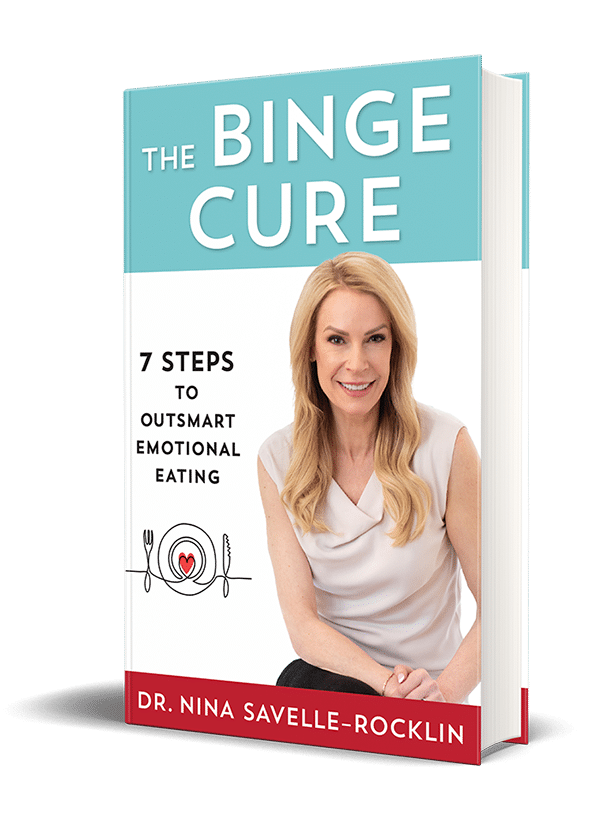
The Binge Cure Method is built on this foundation: identifying your hidden emotional triggers, healing from within, and creating lasting food freedom without dieting, deprivation, or shame.
Frequently Asked Questions About Signs of Emotional Eating
What triggers emotional eating?
Stress, loneliness, anxiety, boredom, sadness, anger, or feeling unappreciated can all trigger emotional eating. The trigger is always emotional, not food-related. Understanding your specific triggers is the first step to addressing the root cause instead of just fighting the urge to eat.
Is emotional eating the same as binge eating?
Not exactly. Emotional eating is eating in response to feelings, which can range from mindless snacking to larger episodes. Binge eating disorder involves recurrent episodes of eating large amounts of food with a sense of loss of control and significant distress. Emotional eating often leads to binge eating when emotions feel unmanageable.
Can emotional eating lead to weight gain?
Yes, mostly because emotional eating often involves eating past fullness or eating for reasons unrelated to hunger. But the solution is emotional, not behavioral. Dieting or restricting only makes emotional eating worse. The real solution is addressing the underlying emotional needs.
Can I stop emotional eating without therapy?
Some people can make progress on their own by increasing awareness and practicing self-compassion, but many benefit from professional support, especially when emotional eating is tied to deeper issues like relationship patterns, trauma, perfectionism, or childhood experiences. You don't have to figure this out alone.
What's the first step to stop emotional eating?
Awareness. Recognizing the signs of emotional eating gives you the power to understand your emotions instead of turning to food to manage them. Once you know what you're feeling and why, you can start addressing the real need instead of reaching for food.
How do I know if I'm eating emotionally or just hungry?
Physical hunger comes on gradually, can be satisfied with any food, and stops when you're full. Emotional hunger comes on suddenly, craves specific comfort foods, and doesn't stop even when you're physically full. If you're eating when you're not hungry or continuing to eat past fullness, it's likely emotional eating.
Why do I feel so guilty after emotional eating?
Guilt after eating is often about the harsh inner critic that attacks you when you're vulnerable. It's not really about the food. It's about deeper feelings of shame, perfectionism, or self-judgment. The guilt actually perpetuates the cycle because it creates more uncomfortable emotions that you then try to soothe with food.
Can emotional eating be cured?
Emotional eating is a coping strategy, and coping strategies can be unlearned. When you stop blaming food and start understanding your feelings, everything begins to shift. You stop fighting yourself. You start listening to yourself. Real, lasting change happens when you address the root emotional causes.
Ready to Understand Your Emotional Eating?
If you're tired of fighting the signs of emotional eating and ready to understand what's really driving your urges, I can help.
Download my free Emotional Eating Emergency Kit with 5 powerful questions to interrupt cravings in under 2 minutes and start understanding the real emotions behind your eating today: Go Here
Or, if you're ready for personalized support, book a Food Freedom Strategy Session and let's uncover the hidden emotional triggers keeping you stuck so you can finally stop obsessing over food and start living with confidence and peace.
You deserve to feel good in your body and free from food obsession. And it starts with understanding that it's not about the food. It's about what's eating at you: Click here to book
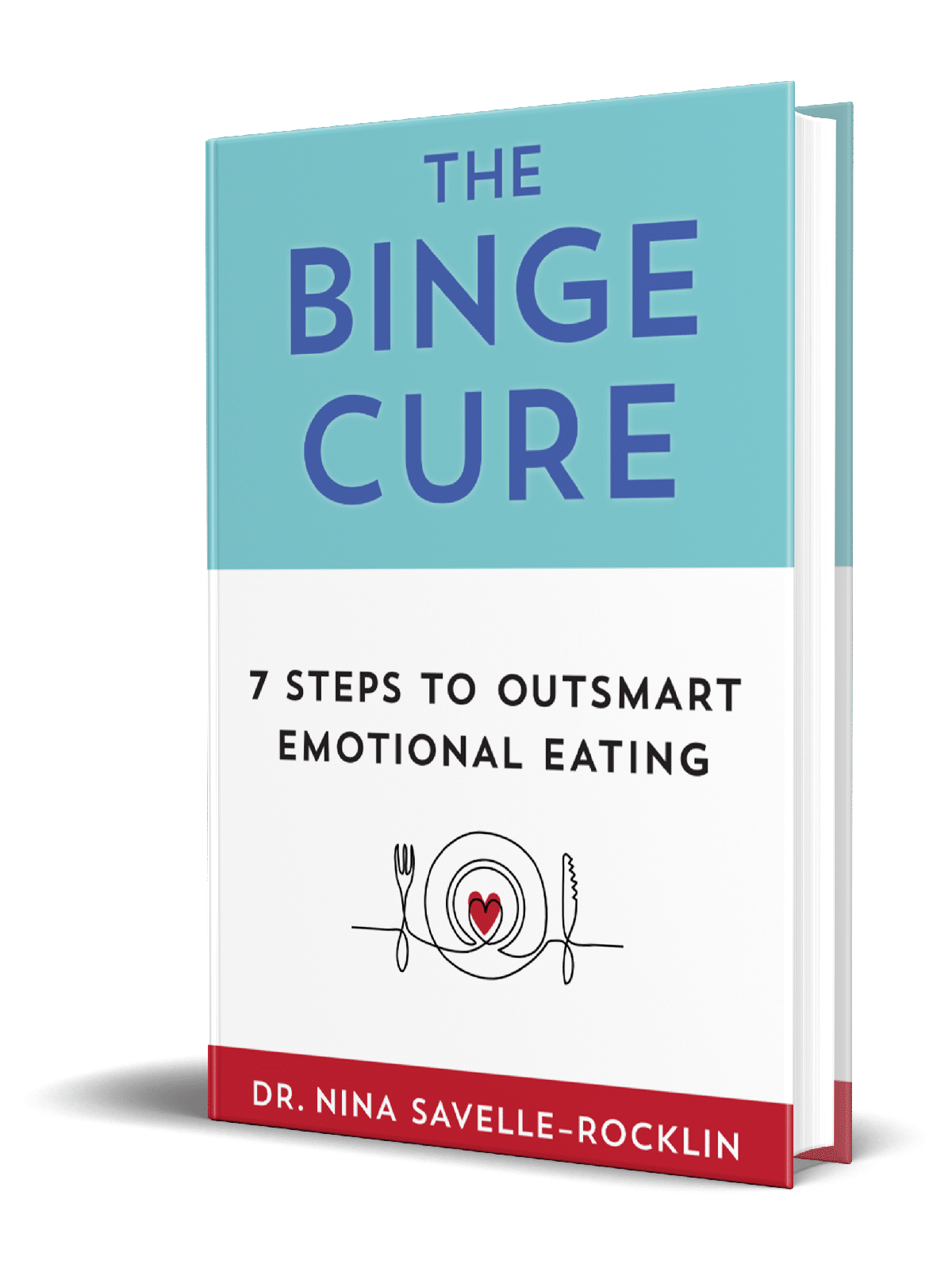
Sick of obsessing about every bite?
GET THE CURE
The Binge Cure Book!
Enter “CURE” to receive a 20% discount.
No, I don’t want access to this terrific resource to help me overcome binge eating.
The Author

Dr. Nina Savelle-Rocklin is a renowned author and podcast host and one of the nation’s leading psychoanalysts known for the psychology of eating. Her signature message of, “It’s not what you’re eating, it’s what’s eating ‘at’ you” has resonated with hundreds of thousands of listeners from around the globe in 40 countries. As founder of The Binge Cure Method, she guides emotional eaters to create lasting food freedom so they can take back control of their lives and feel good in their bodies.
Related Blogs










 Free • 3 Minutes • Personalized Results